The community behind the food
Ethiopian and Eritrean immigrants began arriving in Minnesota in significant numbers in the 1980s and 1990s, many fleeing civil war and famine. The Ethiopian Community in Minnesota (ECM), founded in 1995, has served as an anchor organization for nearly three decades. Today, Minnesota is home to one of the largest Ethiopian and Eritrean populations in the country, concentrated in Minneapolis neighborhoods like Cedar-Riverside, Phillips, and Seward. The restaurants in this guide are not just businesses — they are cultural institutions that preserve foodways, host coffee ceremonies, and serve as gathering places for a diaspora community that has shaped Minneapolis in ways the city is still learning to recognize. The food is the most visible expression of a much deeper story.
Restaurants
5+
Price Range
$–$$
Best For
History, late-night dining, live music
The Red Sea
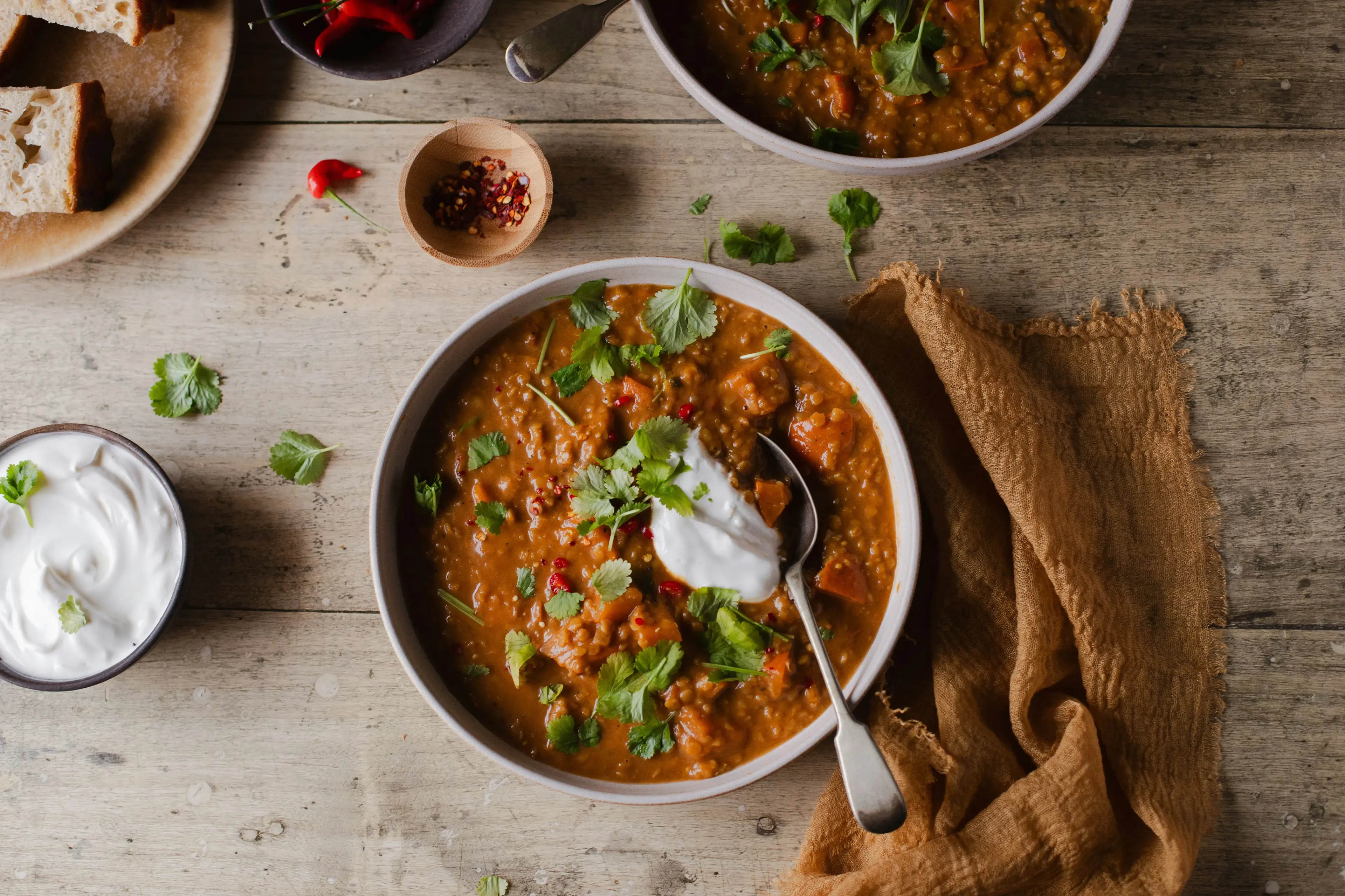
The first Ethiopian and Eritrean restaurant in Minneapolis, open since 1990. The Red Sea is an institution. The injera is spongy and sour in exactly the right way, and the doro wat has the deep, slow-cooked complexity that only comes from hours of simmering berbere and onions. The Eritrean dishes — particularly the tsebhi birsen (red lentil stew) — are as good as anything on the Ethiopian side of the menu. There is a full bar with Ethiopian beer, a dance floor, and live music on weekends. This is not a quiet dinner spot. It is a community gathering place that happens to serve exceptional food, and it has been doing so for over three decades.
Dilla’s Ethiopian Restaurant
Located on Riverside Avenue, Dilla’s is open seven days a week and serves one of the most extensive Ethiopian menus in the city. The lunch buffet is a smart entry point if you are new to the cuisine — generous, affordable, and well-maintained. The kitfo (minced raw beef seasoned with mitmita and niter kibbeh) is excellent for those who want to go beyond the familiar. Tibs come sizzling and well-spiced. The dining room is straightforward and unpretentious, the kind of place where families gather on weekends and regulars know what they want before sitting down. Dilla’s does not try to be anything other than a very good Ethiopian restaurant, and that is enough.
The scene: Cedar-Riverside is where Ethiopian dining in Minneapolis began and where it still feels most rooted. The Red Sea and Dilla’s anchor a stretch of Cedar and Riverside avenues that has been a gathering point for the East African community for decades. You eat here surrounded by the people this food was made for — not as a tourist experience, but as a neighborhood one. The late-night hours and live music make this the only Ethiopian dining corridor in the city with genuine nightlife energy.
Explore Cedar-Riverside →Restaurants
4+
Price Range
$–$$
Best For
Vegan Ethiopian, hidden gems, everyday dining
Lulu’s EthioVegan Cuisine
At 12 East Franklin Avenue — technically just across I-35W from Phillips proper, in Stevens Square — Lulu’s is one of the most exciting Ethiopian restaurants to open in Minneapolis in recent years. Chef Tigist creates entirely plant-based Ethiopian dishes that do not feel like compromises — the shiro is creamy and deeply spiced, the misir wat has real heat, and the combination platters are generous enough to share. The injera is made with pure teff, naturally gluten-free. The space is small and warm, and the 4.9-star rating is earned. If you think vegan Ethiopian food means something is missing, Lulu’s will change your mind. This is not vegan food that happens to be Ethiopian. It is Ethiopian food that happens to be vegan.
The scene: Phillips is where you find Ethiopian food woven into the daily fabric of the neighborhood. Franklin Avenue, from Phillips east into Seward, has a quiet concentration of East African restaurants and groceries that most food guides overlook entirely. The restaurants here serve their communities first — prices are low, portions are large, and the cooking is personal. Lulu’s EthioVegan — a short hop west across I-35W — has brought new attention to the area, but the corridor has been feeding people well for years.
Explore Phillips →Restaurants
3+
Price Range
$–$$
Best For
Grocery-restaurant combos, coffee beans, spice shopping
Shabelle Ethiopian Grocery & Restaurant
Part grocery store, part restaurant, entirely essential. Shabelle sits on East Franklin Avenue in Seward and serves traditional Ethiopian plates alongside a market stocked with East African spices, teff flour, green coffee beans, and the jebena pots used for coffee ceremonies at home. The food is homestyle and honest — the vegetarian combo with shiro, misir wat, and gomen is filling and flavorful. But the real draw for many is the grocery side: if you cook Ethiopian food at home, Shabelle is where you get your berbere, mitmita, and injera. The staff will explain anything you do not recognize. This is a community institution that doubles as a restaurant.
The scene: Seward’s Ethiopian food scene is quieter than Cedar-Riverside’s but no less authentic. The Franklin Avenue and Minnehaha Avenue corridors here have grocery-restaurant hybrids that serve the East African community’s daily needs — a place to buy spices, pick up injera, and sit down for a plate of doro wat all in one trip. If you want to understand Ethiopian food beyond the restaurant experience, Seward is where you learn to cook it yourself.
Explore Seward →Restaurants
4+
Price Range
$–$$
Best For
Coffee ceremonies, family dining, Minnehaha corridor
Selam Restaurant
Selam means “peace” in Amharic, and that spirit defines this small family-run restaurant on Minnehaha Avenue in Howe. Owners Belai Mergia and Rahel Tassew started with a coffee shop in 2007 and turned it into a full restaurant after the pandemic. The Ethiopian and Eritrean menu showcases both traditions — the vegetarian combo with split lentils, yellow peas, shiro, and collard greens is the signature dish. The coffee ceremony here involves hand-roasting beans and brewing in a traditional jebena clay pot. Selam is intimate, unhurried, and feels like eating in someone’s home. That is the highest compliment.
Meseret Ethiopian Restaurant
A family-owned spot on Minnehaha Avenue in Howe where tradition runs deep. Meseret’s spices are sourced directly from Ethiopia, and you can taste the difference — the berbere has a warmth and complexity that generic blends cannot replicate. The Sunday vegan and vegetarian buffet is a neighborhood ritual. Coffee is served with traditional incense, the way it should be. You can request your dishes made with 100% teff injera for a gluten-free option. Meseret is the kind of restaurant where the owner’s family recipes are the menu, and that personal investment shows in every plate. Unpretentious, consistent, and deeply good.
Katar River Restaurant & Bakery
Also on Minnehaha Avenue, Katar River combines a restaurant with a bakery that produces some of the best injera in the city. The bread here is the star — soft, slightly spongy, with a fermented tang that is balanced rather than aggressive. The kitchen does solid renditions of the classics: doro wat, tibs, shiro, and vegetarian combos. But many regulars come specifically for the baked goods and the injera to take home. Open daily with generous hours, Katar River is a reliable neighborhood staple that rewards repeat visits.
The scene: The Minnehaha Avenue corridor in south Minneapolis has developed into a second center of gravity for Ethiopian dining. Selam, Meseret, and Katar River are all within a short drive of each other, each family-owned, each with its own character. The coffee ceremonies here are done with care. This is the stretch to visit if you want a quieter, more intimate Ethiopian dining experience than the bustle of Cedar-Riverside.
Explore Longfellow →A note on what we left out
This guide focuses on Minneapolis proper. The Twin Cities Ethiopian scene extends into St. Paul, where restaurants like Bole Ethiopian Cuisine (Como Park) are absolutely worth the drive. We also chose not to include Ghebre's, a beloved Eritrean restaurant in St. Paul that has permanently closed. The scene is always evolving — if a favorite is missing, it may have opened after our last update.