North Loop
Coffee Shops
8+
Co-Working
Varies
Walk Score
84
Work-Life Balance
Excellent
Work infrastructure: Spyhouse Coffee, work-friendly cafes, riverfront walking breaks, numerous lunch spots, light rail access
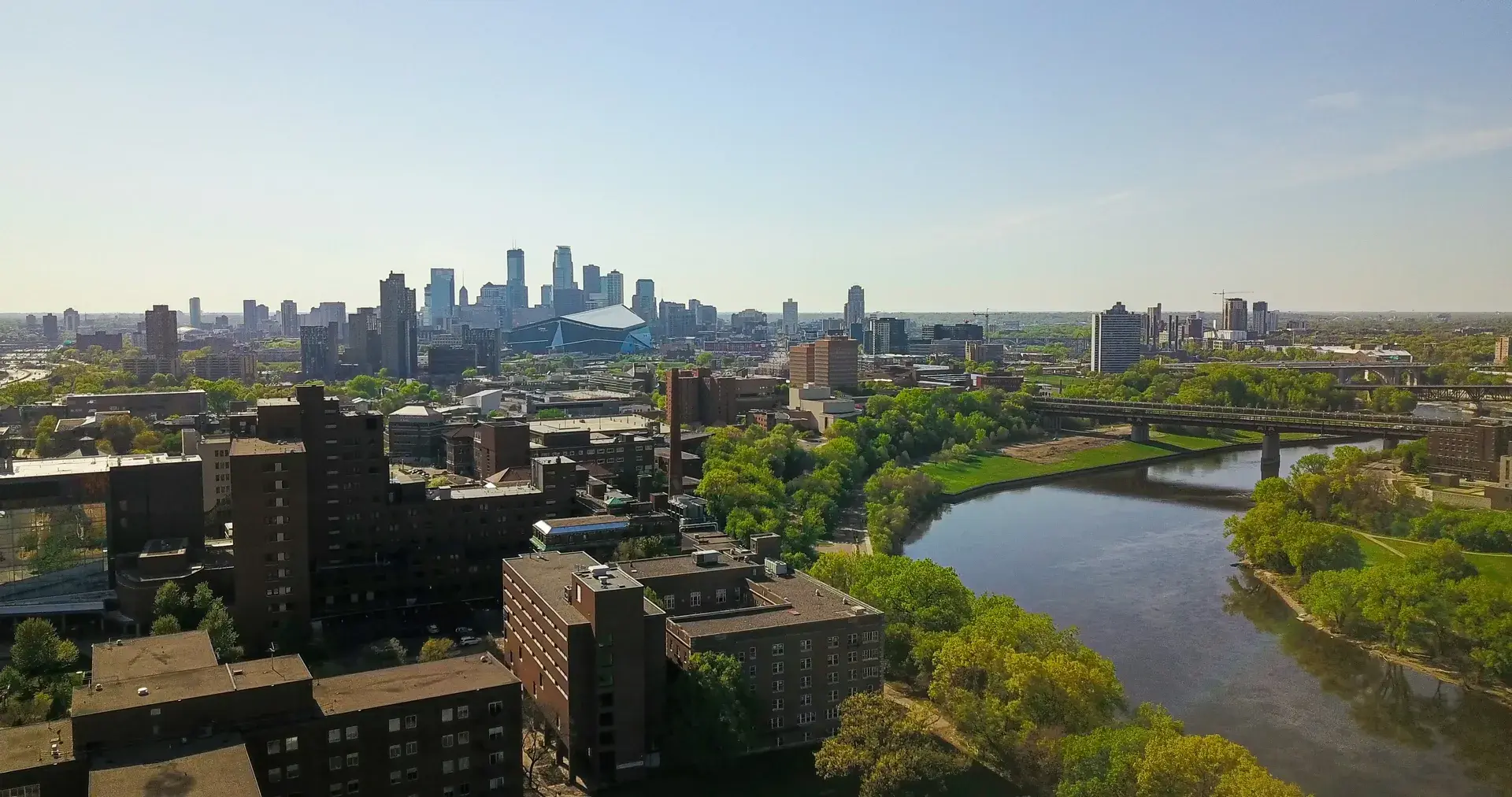
The North Loop is purpose-built for remote work in a way no other Minneapolis neighborhood is. Within a 10-minute walk, you have at least eight coffee shops that welcome laptop workers and enough restaurant variety that you never have to repeat a lunch spot in a month. The dedicated co-working scene has churned since the pandemic — Industrious now operates across the river at 47 Main St SE on St. Anthony Main — so verify current options before banking on a membership. The riverfront trails provide mid-day walk-and-think breaks that are genuinely restorative. Internet infrastructure is strong — the newer construction that dominates the North Loop was wired for the streaming era. The work-life balance advantage is real: when you close the laptop, you are already in one of the best dining and entertainment neighborhoods in the city. No commute, no transition. The tradeoff: the cost of living is high. Census estimates put the median rent at about $2,100 a month, against $1,371 citywide; the median condo sold for $383,000 in 2025, according to Minneapolis Area REALTORS, before HOA fees; and co-working memberships add $200-$500/month. If you are a remote worker earning a coastal salary, the North Loop is a rational choice. If you are freelancing at Midwestern rates, the economics may not work.
Read the full North Loop guide →Whittier
Coffee Shops
6+
Co-Working
1
Walk Score
91
Work-Life Balance
Very good
Work infrastructure: Spyhouse Coffee (the original, 2451 Nicollet), The Coven co-working (2429 Nicollet), Eat Street restaurants for lunch breaks, MIA for afternoon walks, Midtown Greenway bike rides, diverse food options
Whittier gives remote workers the best combination of walkable amenities and affordable housing in Minneapolis. The coffee shop density along Nicollet and Lyndale is excellent — Spyhouse Coffee's original cafe, a 1926 brownstone at 2451 Nicollet, anchors the neighborhood's coffee scene and fills with laptop workers most weekdays. The Eat Street corridor means lunch is always interesting and affordable. The Minneapolis Institute of Art is free and open Tuesday through Sunday — a 45-minute afternoon visit to look at art is one of the best remote-work mental health strategies available, and most Whittier residents live within a 15-minute walk. The Midtown Greenway provides a mid-day exercise option. Housing is affordable: Census estimates put the median rent a little under the city's $1,371, and the median sale price, mostly condos, was $212,500 in 2025, according to Minneapolis Area REALTORS. The tradeoff: the co-working infrastructure is thinner than the North Loop. If you need a dedicated desk or meeting rooms, you will likely travel to a co-working space outside the neighborhood. But if your remote setup is laptop-and-coffee-shop, Whittier is ideal.
Read the full Whittier guide →Lowry Hill East
Coffee Shops
5+
Co-Working
1
Walk Score
93
Work-Life Balance
Very good
Work infrastructure: Spyhouse Coffee (just across Hennepin), Wedge Co-op deli (just across Lyndale), Bryant Lake Bowl, Walker Art Center, Sculpture Garden walks, dense social scene for after-work
The Wedge is where remote workers who want social energy after hours tend to land. The coffee shop and cafe density is strong — Spyhouse on Hennepin at 24th (just across the avenue in East Isles) and several smaller spots provide reliable work-from-cafe options throughout the neighborhood. The Walker Art Center and Sculpture Garden are walking-distance mental breaks. Bryant Lake Bowl offers an unconventional change-of-scenery workspace during quiet afternoon hours. The real advantage is after-work: when you close the laptop at 5 PM, you are in the middle of one of the densest bar and restaurant corridors in the city. The social energy combats the isolation that remote work can create. Housing is primarily apartments and duplexes, with a median rent of about $1,400, by Census estimates. The tradeoff: the apartments tend toward older buildings with variable noise insulation, and street noise from Lyndale and Hennepin is real. If you need a quiet home office, you will need to be selective about your unit and building.
Read the full Lowry Hill East guide →South Uptown
Coffee Shops
4+
Co-Working
1
Walk Score
87
Work-Life Balance
Very good
Work infrastructure: Lyn-Lake coffee shops, Bde Maka Ska for midday walks, Midtown Greenway bike access, lake lifestyle balance
South Uptown offers remote workers something the denser neighborhoods cannot: daily access to Bde Maka Ska for mid-day breaks. The remote work day that includes a 30-minute walk around the lake at lunch is a dramatically better quality of life than the one spent entirely indoors. The Lyn-Lake corridor provides coffee shops and restaurants, and the Midtown Greenway is a car-free bike commute option if you need to get to a co-working space elsewhere. The Lyn-Lake coffee shops are reliable laptop-work spots. The tradeoff: Uptown's commercial landscape has thinned since 2020 — some storefronts are vacant, and the neighborhood is in transition. The coffee shop and co-working density is lower than the North Loop or Whittier. But the lake-access-plus-walkability combination is unique, and for remote workers who value outdoor breaks and a relaxed pace, South Uptown works well. Census estimates put the median rent just under the city's $1,371, and the median sale price was $425,000 in 2025, according to Minneapolis Area REALTORS.
Read the full South Uptown guide →Loring Park
Coffee Shops
4+
Co-Working
2
Walk Score
91
Work-Life Balance
Good
Work infrastructure: Dunn Brothers (Loring Park), proximity to downtown co-working spaces, Loring Park for walks, Walker Art Center, Hennepin Theatre District, skyway-connected options
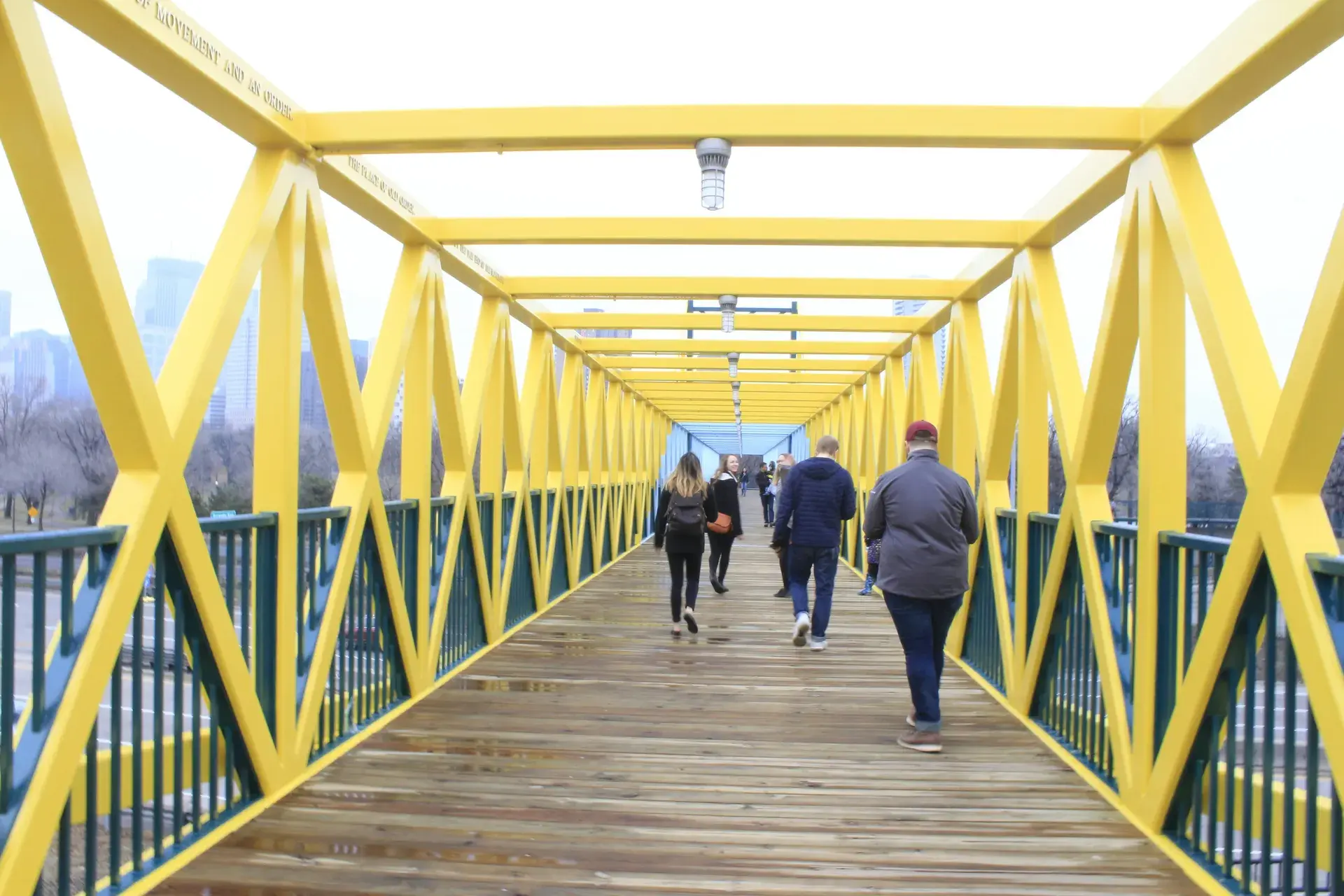
Loring Park gives remote workers a foot in both worlds — the residential quiet of a park-adjacent neighborhood and walking-distance access to downtown's co-working infrastructure. The park itself is an excellent mid-day break destination, and the Irene Hixon Whitney Bridge connects it to the Walker Art Center and Sculpture Garden. Downtown co-working spaces are within a 10-15 minute walk, which means you can maintain a home office most days and use a co-working space for meetings or focused work when needed. Dunn Brothers at Loring Park is a reliable work cafe. The tradeoff: Loring Park is more of a pass-through neighborhood than a destination, and the after-work social options are limited compared to The Wedge or the North Loop. The residential building stock is a mix of older apartments and some newer condos. Rents are moderate (about $1,200 at the median, by Census estimates), and the location premium is reasonable for the walkability score. Best for remote workers who want park access and downtown proximity without paying North Loop prices.
Read the full Loring Park guide →Seward
Coffee Shops
3+
Co-Working
0
Walk Score
80
Work-Life Balance
Good — quieter
Work infrastructure: Seward Co-op (Franklin store), river gorge walking trails, Midtown Greenway eastern end, community-oriented atmosphere, U of M proximity
Seward is the remote work neighborhood for introverts — and that is not a criticism. The pace is slower, the coffee shops are quieter, and the mid-day break options lean toward river gorge trail walks rather than crowded lake loops. The Seward Co-op's Franklin store is the community anchor — though the co-op's standalone Creamery Cafe is long gone, so a true work-from-cafe day means seeking out the neighborhood's quieter spots. The Midtown Greenway's eastern terminus connects you westward if you want to bike to a co-working space or a different neighborhood for a change of scenery. The University of Minnesota campus is nearby, with its libraries and cafes available as alternative workspaces. The tradeoff: there are no co-working spaces in Seward, the cafe options are limited compared to denser neighborhoods, and the neighborhood is not where you go for social energy. But for remote workers in creative fields who need quiet, community, and access to nature, Seward is underrated. Housing costs about what it does citywide: the median sale price was $354,000 in 2025, according to Minneapolis Area REALTORS, against $350,000 for the city.
Read the full Seward guide →Logan Park / Northeast
Coffee Shops
4+
Co-Working
Varies
Walk Score
84
Work-Life Balance
Good — creative energy
Work infrastructure: Spyhouse Coffee (Broadway St NE), 5 Watt Coffee, Indeed taproom for after-work, brewery district social scene, artist studio vibes
Northeast attracts remote workers who want creative energy in their environment rather than corporate productivity optimization. The coffee shops — Spyhouse on Broadway, Five Watt on East Hennepin, and several smaller spots — have the aesthetic and atmosphere of a creative neighborhood rather than a business district. The brewery taprooms (Indeed, Falling Knife) function as after-work social spaces where you will run into the same people repeatedly, building the kind of casual social network that remote work otherwise strips away. (Bauhaus, long the third anchor, closed in June 2026 after a 12-year run and reopened under new owners in August.) Central Avenue provides walkable lunch options with genuine variety — Mexican, Vietnamese, Ethiopian, and classic American diners. The tradeoff: the Walk Score of 84 means not everything is within easy walking distance, and the neighborhood's layout (a mix of residential, commercial, and light industrial) means your daily-errand radius is larger than in Whittier. Most Northeast remote workers bike. The internet infrastructure in older buildings can be inconsistent — verify before signing a lease.
Read the full Logan Park / Northeast guide →Longfellow
Coffee Shops
3+
Co-Working
0
Work-Life Balance
Very good — outdoor focused
Work infrastructure: Minnehaha Falls for breaks, river trails, Midtown Greenway bike access, Dogwood Coffee (East Lake), affordable housing, neighborhood-scale quiet
Longfellow is the remote work neighborhood for people who measure work-life balance in outdoor minutes rather than restaurant options. Minnehaha Falls is a 15-minute bike ride from most of the neighborhood — a 53-foot waterfall as your afternoon break destination is an extraordinary daily-life perk. The river trails and the Midtown Greenway provide car-free exercise corridors. Dogwood Coffee's East Lake cafe at 4021 E Lake Street, just east in Cooper, is the best work-from-cafe option nearby. The housing costs a little less than the city as a whole (a $330,000 median sale price in 2025, according to Minneapolis Area REALTORS) and the neighborhood is quiet enough for focused home office work. The tradeoff: there are no co-working spaces, the cafe options are limited, and the walkable commercial infrastructure is thinner than the neighborhoods ranked above. If your remote work requires regular in-person meetings, you will bike or drive to get to them. But if your work is fully remote and self-directed, and you value outdoor access and affordability, Longfellow offers a quality of daily life that denser neighborhoods cannot match.
Read the full Longfellow guide →Linden Hills
Coffee Shops
2+
Co-Working
0
Walk Score
65
Work-Life Balance
Excellent — slow pace
Work infrastructure: Sebastian Joe's (work-friendly), Lake Harriet walks, village center for lunch, quiet residential streets, strong Wi-Fi infrastructure in newer homes
Linden Hills is the remote work neighborhood for people in a later career stage who have traded ambition for quality of life — and know it was a good trade. Sebastian Joe's ice cream and coffee shop is a community institution where laptop work is common and tolerated (though the seating is limited). The village center at 43rd & Upton provides lunch options and errand stops without a car. Lake Harriet is a 5-15 minute walk for mid-day breaks that rival anything on this list for sheer beauty. The residential streets are quiet enough for focused work from a home office. The tradeoff: this is an expensive neighborhood (a $670,000 median sale price in 2025, according to Minneapolis Area REALTORS) with no co-working spaces and limited cafe options. If you need external workspace variety, you will need to leave the neighborhood. The pace is slow, the community is established, and the energy is more retired-professional than startup-hustler. For the right remote worker — self-directed, experienced, well-compensated — it is one of the best daily-life setups in the city.
Read the full Linden Hills guide →Downtown East
Coffee Shops
3+
Co-Working
3+
Walk Score
91
Work-Life Balance
Moderate — urban intensity
Work infrastructure: Multiple downtown co-working spaces, skyway system (winter working), Stone Arch Bridge walks, Guthrie Theater, Mill City Farmers Market, light rail hub
Downtown East has the infrastructure for remote work — multiple co-working spaces within walking distance, reliable internet in newer buildings, excellent transit for meeting travel, and the skyway system that allows you to walk to a co-working space or coffee shop without going outside in January. The Stone Arch Bridge provides one of the best walking breaks in the city, and Mill City Farmers Market is a Saturday morning ritual. The tradeoff is the same one that affects Downtown East for every use case: it does not feel like a neighborhood. The evening and weekend foot traffic is event-dependent. Your daily social interactions will be transactional rather than communal unless you actively seek out community. For remote workers who travel frequently and want airport-proximate, transit-accessible, walkable living, Downtown East is practical. For remote workers who left office life partly to find community and connection, the downtown environment may feel like a lateral move.
Read the full Downtown East guide →The Winter Remote Work Factor
Remote work in Minneapolis has a seasonal dimension that does not exist in Austin or Denver. From November through March, your willingness to walk to a coffee shop or co-working space drops sharply. The neighborhoods that rank highest for remote work year-round are the ones where the walkable infrastructure is close enough that you will actually use it in January. The North Loop, Loring Park, and Downtown East — with their density and skyway access — have an outsized winter advantage. In summer, every neighborhood on this list works beautifully. The ranking reflects the full 12-month experience.
Frequently Asked Questions
What is the best Minneapolis neighborhood for remote workers?+
The North Loop — purpose-built for the remote-work day, with at least eight laptop-friendly coffee shops in a 10-minute walk, enough restaurants that lunch never repeats in a month, riverfront trails for the mid-day reset, and the city's best dining and entertainment when the laptop closes.
Does Minneapolis have good co-working spaces?+
The dedicated co-working scene has churned since the pandemic — verify current options before banking on a membership. Memberships run $200–$500 a month, which stacks on top of North Loop housing costs; plenty of remote workers stick to the coffee-shop circuit instead.
Which remote-work neighborhood works on a freelancer budget?+
Whittier and Lowry Hill East — serious coffee-shop density and walkability without North Loop prices. The guide is honest that the North Loop's economics favor remote workers earning coastal salaries; at Midwestern freelance rates, the value picks make more sense.
What makes a neighborhood good for remote work?+
When you don't commute, your neighborhood is where you work, exercise, eat lunch, and find social connection every single day. The best remote-work neighborhood is the one that makes 7 AM to 11 PM good — not just evenings — which is exactly how this ranking scores them.