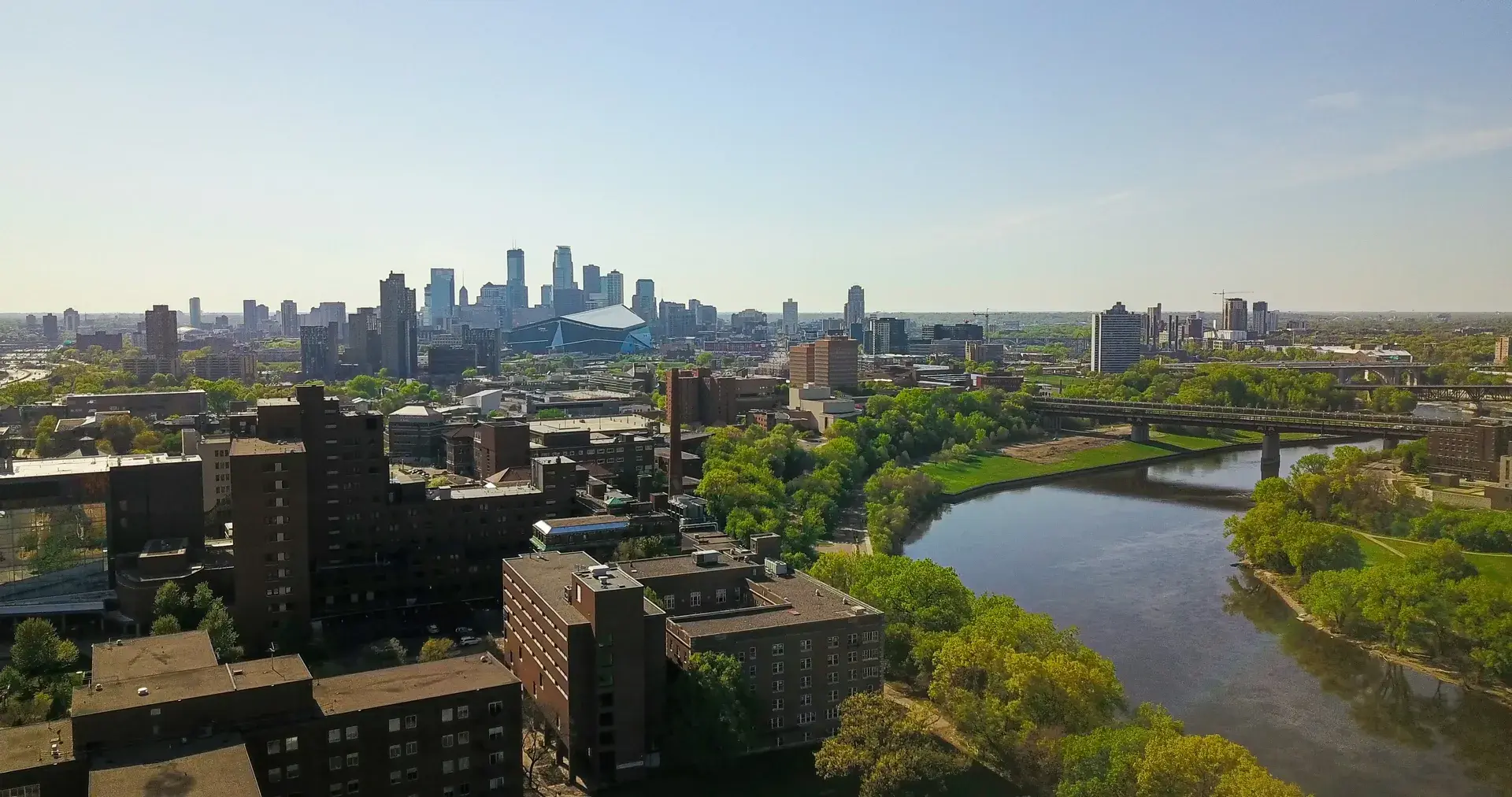
Whittier
Median Rent (All Units)
$1,327/mo
Inventory
High
Walk Score
91
Transit Score
63
Amenity Density
Very High
Whittier is the best renter neighborhood in Minneapolis, full stop. The combination of rents a little under the city median, high walkability, and Eat Street's unmatched dining diversity makes it the rare neighborhood where you get more for less. The rental stock is deep — everything from century-old walk-up apartments to newer mid-rises. You're walking distance from the Minneapolis Institute of Art, MCAD, grocery stores, and the Midtown Greenway. The tradeoff: Whittier is genuinely urban. Street noise, visible homelessness, and higher property crime rates come with the density. If you want a sanitized rental experience, look elsewhere. If you want to live in the most interesting neighborhood in the city at a price that doesn't require a tech salary, Whittier is it.
Read the full Whittier guide →Lowry Hill East
Median Rent (All Units)
$1,405/mo
Inventory
High
Walk Score
93
Transit Score
61
Amenity Density
High
The Wedge is one of the densest renter neighborhoods in Minneapolis — the housing stock is dominated by apartments, duplexes, and fourplexes that keep the rental inventory high. Hennepin and Lyndale avenues and Lake Street provide walkable commercial corridors with bars, restaurants, the Wedge Co-op, and Bryant Lake Bowl. The Walker Art Center and Sculpture Garden are at the neighborhood's edge. The Bike Score of 95 means you can commute car-free with ease. The tradeoff: you're paying a premium for Uptown-adjacent cool. Census estimates put the median rent at about $1,400, a little above Whittier and the city's $1,371. The building stock is aging — many apartments are charming but drafty, with radiator heat and no in-unit laundry. Parking is genuinely terrible, which matters less if you're committed to the bike-and-bus lifestyle the neighborhood rewards.
Read the full Lowry Hill East guide →Stevens Square
Median Rent (All Units)
$1,115/mo
Inventory
Very High
Amenity Density
Moderate
Stevens Square is one of the most affordable walkable rental neighborhoods in Minneapolis. Census estimates put its median rent at about $1,100 — roughly $200 below Whittier and $300 below Lowry Hill East. The neighborhood is small — just a few blocks — but strategically located just south of the Convention Center and Loring Park, with easy access to downtown, Eat Street, and the Greenway. The rental stock is almost entirely apartments, many of them large older buildings with affordable units. The tradeoff: Stevens Square has higher crime rates than most neighborhoods on this list, and the streetscape can feel rough, especially at night. The amenity density within the neighborhood itself is thin — you're relying on adjacent Whittier and Loring Park for most dining and shopping. But for a renter on a budget who wants to live car-free in a central location, the value proposition is hard to beat.
Read the full Stevens Square guide →Loring Park
Median Rent (All Units)
$1,199/mo
Inventory
High
Walk Score
91
Transit Score
78
Amenity Density
High
Loring Park combines genuine park-adjacent living with downtown proximity in a way no other Minneapolis neighborhood does. The park itself — 34 acres with a lake, walking paths, and summer concerts — is one of the best urban parks in the city. You're a 10-minute walk from the Walker Art Center, a 20-minute walk to the North Loop restaurant scene, and directly on frequent transit to downtown — the METRO E Line replaced the old Route 6 on Hennepin in December 2025. The rental stock is primarily high-rise and mid-rise apartments, many with views of the park or downtown skyline. The tradeoff: the neighborhood's identity is still somewhat unsettled. The north edge near Hennepin can feel gritty, and the residential population skews heavily toward renters with less of the community cohesion found in neighborhoods like Whittier or Seward. You're paying for location and the park, not for neighborhood character.
Read the full Loring Park guide →South Uptown
Median Rent (All Units)
$1,344/mo
Inventory
High
Walk Score
87
Transit Score
58
Amenity Density
Moderate-High
South Uptown gives renters something rare: lake access without homeowner prices. Bde Maka Ska and the Chain of Lakes are walkable from most of the neighborhood, and the Midtown Greenway runs just north of it for car-free commuting. The Lyn-Lake commercial node has bars, restaurants, and coffee shops, and Hennepin Avenue buses run frequently to downtown. The rental stock includes a good mix of vintage apartments, newer buildings, and converted houses. The tradeoff: Uptown's commercial identity has struggled since 2020. Some storefronts are still vacant, and the neighborhood is between eras — the party-destination Uptown of the 2010s is gone, and what replaces it is still forming. Census estimates put the median rent just under the city's $1,371, which is good news for renters willing to bet on the rebound.
Read the full South Uptown guide →Powderhorn Park
Median Rent (All Units)
$1,472/mo
Inventory
Moderate
Walk Score
82
Transit Score
54
Amenity Density
Moderate
Powderhorn is where renters go when they want genuine diversity, cultural energy, and rents near the city median in a neighborhood with a real identity. The Lake Street corridor provides grocery, dining (Midtown Global Market is a 10-minute bike ride), and bus rapid transit on the METRO B Line, which replaced the old Route 21 in June 2025 with faster, more frequent service. The park itself — with its lake, May Day Parade, and year-round community events — is a genuine neighborhood anchor. Rental units are mostly in duplexes, triplexes, and converted houses, with fewer large apartment buildings than Whittier or Loring Park. The tradeoff: Powderhorn is still processing the aftermath of 2020. Crime rates remain elevated compared to the southwest neighborhoods. The rental stock is older and maintenance quality varies significantly by landlord. But for renters who value community character over polish, the price-to-neighborhood ratio here is excellent.
Read the full Powderhorn Park guide →Seward
Median Rent (All Units)
$944/mo
Inventory
Moderate
Walk Score
80
Transit Score
58
Amenity Density
Moderate
Seward offers renters something unusual: a cooperative neighborhood culture that actually includes renters in community life. The Seward Co-op (two locations) is the commercial anchor, and the neighborhood's organizing traditions mean renters show up at community meetings and get treated as stakeholders, not transients. The Mississippi River gorge trails are exceptional, and the U of M campus is a short bike ride away. Franklin Avenue has basic commercial services. The tradeoff: the rental inventory is thinner than Whittier or Lowry Hill East — fewer large buildings, more scattered units in houses and small multifamily structures. Finding a unit requires patience. The commercial options are limited; this is not a neighborhood where you'll walk to 15 restaurants. But for renters who want community integration and co-op culture, Seward delivers in a way no other Minneapolis neighborhood does.
Read the full Seward guide →Marcy-Holmes
Median Rent (All Units)
$1,268/mo
Inventory
Very High
Walk Score
85
Transit Score
69
Amenity Density
Moderate
Nearly nine in ten Marcy-Holmes households rent, according to Census estimates — one of the highest shares in Minneapolis — driven by its proximity to the University of Minnesota. The inventory includes everything from student-oriented apartments near campus to nicer units in the quieter residential blocks near the river. The Stone Arch Bridge, St. Anthony Main, and the riverfront are walkable. Bus and light rail connections to downtown are strong. The tradeoff: the student population creates a bifurcated neighborhood — the blocks near campus can be loud and transient, while the blocks near the river feel like a different neighborhood entirely. If you're a non-student renter, target the area between University Avenue and the river for a quieter experience with better amenities. Avoid signing a lease without visiting on a weekend evening to gauge noise levels.
Read the full Marcy-Holmes guide →Prospect Park
Median Rent (All Units)
$1,428/mo
Inventory
Moderate-High
Amenity Density
Moderate
Prospect Park has been transformed by the Green Line light rail, which gives it some of the best transit access outside downtown. The Prospect Park station puts you 10 minutes from downtown Minneapolis and 20 minutes from downtown St. Paul. New apartment construction along University Avenue has added significant rental inventory, much of it newer and amenity-rich (in-unit laundry, fitness centers, rooftop decks). The Surly Brewing campus anchors the neighborhood's commercial identity. The tradeoff: the new construction rents are premium — you're paying for new finishes and light rail access. The neighborhood still feels like it's coalescing; the older residential streets and the new University Avenue corridor don't fully connect yet as a single neighborhood experience. But for renters who commute by transit, Prospect Park's value proposition is strong and getting stronger.
Read the full Prospect Park guide →Longfellow
Median Rent (All Units)
$1,306/mo
Inventory
Moderate
Amenity Density
Moderate
Longfellow gives renters access to Minnehaha Falls, the Midtown Greenway, and one of the best bike-commute corridors in the city at rents around the city median. The Blue Line's Lake Street/Midtown station, just across Hiawatha on the neighborhood's western edge, provides airport and downtown service. The rental stock is primarily in smaller buildings — duplexes, triplexes, and scattered apartment buildings — which means you're more likely to have an individual landlord than a property management company. The tradeoff: walkability is neighborhood-scale only. You can walk to a park and a coffee shop, but a full grocery run or restaurant outing usually requires biking or driving. The Lake Street corridor is still rebuilding after 2020. For renters who bike as a primary mode and want space and affordability over density, Longfellow is an underrated pick.
Read the full Longfellow guide →A Note on Rent Figures
The rents above are Census estimates of median gross rent (rent plus utilities) across every rental unit in the neighborhood, from studios to whole houses, for 2020–2024, as compiled by MN Compass; the citywide figure is $1,371. What you are quoted for a vacant unit today can differ, and rents vary significantly by building age, unit condition, and specific block. A renovated unit in a newer building will land well above the median; a walk-up with radiator heat and no dishwasher will land below it. Both can be excellent depending on what you value. Always visit in person before signing — online photos in Minneapolis rental listings are notoriously optimistic.
Frequently Asked Questions
What is the best neighborhood for renters in Minneapolis?+
Whittier, full stop — rents a little under the city median, high walkability, and Eat Street's unmatched dining diversity. The rental stock is deep, from century-old walk-ups to newer mid-rises. You're walking distance from the MIA, MCAD, groceries, and the Midtown Greenway.
Is Minneapolis a renter-friendly city?+
Yes — about 52% of households rent, and strong tenant protections keep the market more balanced than most metros. The renting experience still varies dramatically by neighborhood, which is what this ranking is for.
What are the tradeoffs in the densest renter neighborhoods?+
Genuine urbanism. In Whittier that means street noise, visible homelessness, and higher property crime alongside the density that makes it interesting. If you want a sanitized rental experience, look elsewhere; if you want the most interesting neighborhood in the city at a price that doesn't require a tech salary, it's the answer.
Which renter neighborhoods sit closest to downtown?+
Stevens Square and Loring Park — both in the top four of this ranking, both dense with older rental stock, and both within walking or short transit distance of downtown jobs.